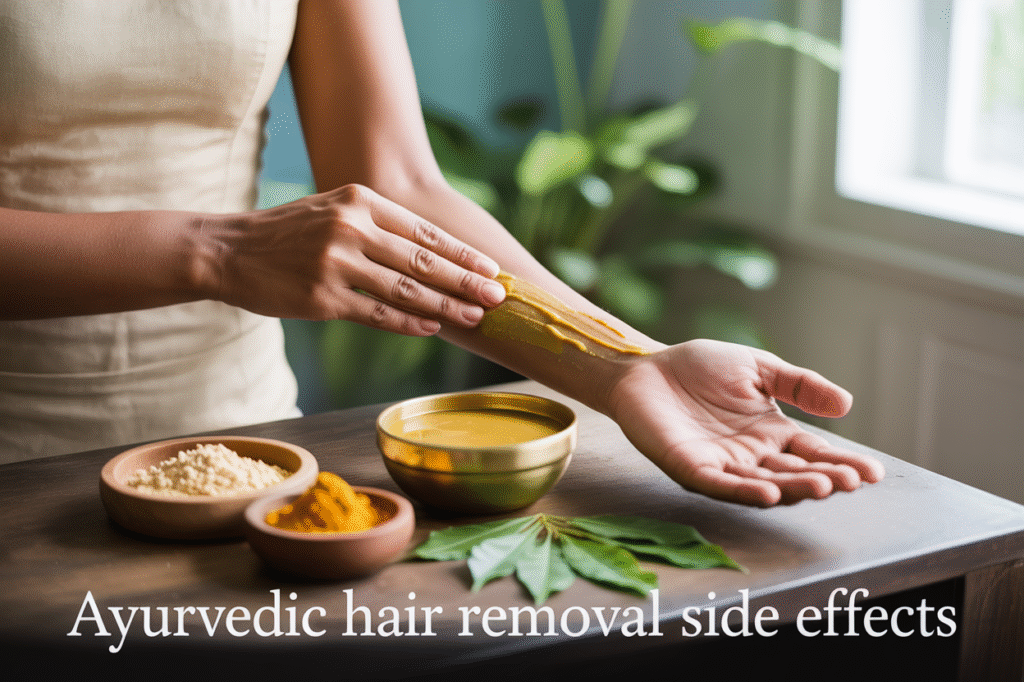
Many people wonder about the safety of ayurvedic hair removal and whether these natural methods
come with unwanted reactions. This guide is perfect for anyone considering gentler alternatives to
conventional hair removal who wants to make an informed choice about their skincare routine.
While ayurvedic hair removal techniques use plant-based ingredients, they can still cause side effects in
some people. We’ll explore the most common mild reactions you might experience, like temporary
redness or slight irritation. You’ll also learn about specific risks for those with sensitive skin conditions
and discover practical ways to prevent adverse reactions before they happen.
Understanding Ayurvedic Hair Removal Methods
and Their Natural Composition
Traditional turmeric-based hair removal pastes and their active ingredients
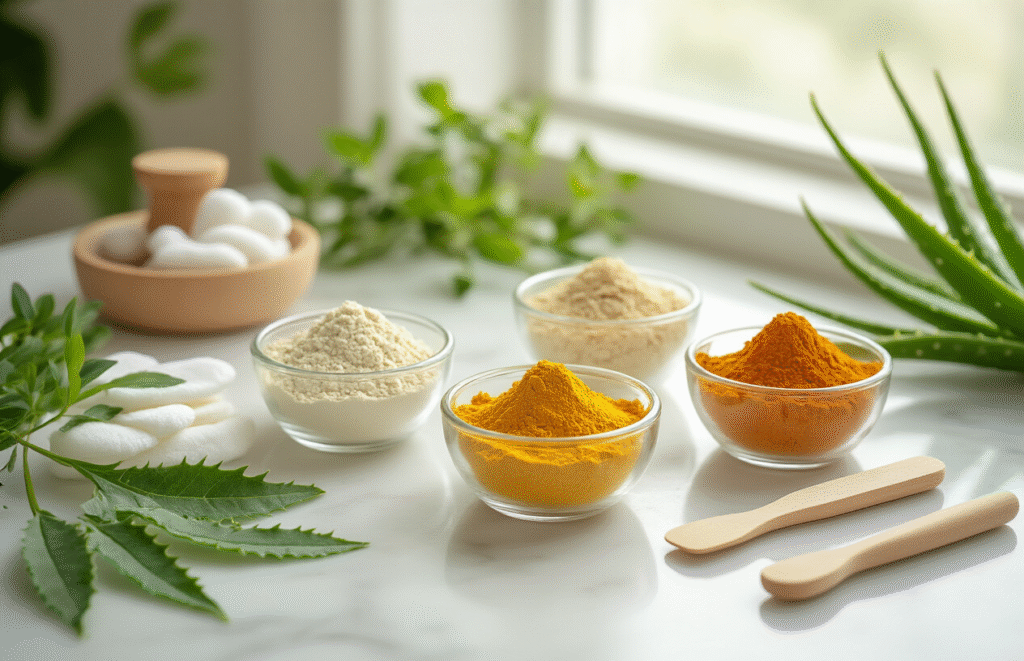
Turmeric has been the cornerstone of Ayurvedic hair removal for thousands of years. The golden spice
contains curcumin, a powerful compound that naturally weakens hair follicles over time while providing
anti-inflammatory benefits to the skin. Traditional turmeric pastes combine fresh turmeric root or powder
with complementary ingredients like gram flour (besan), milk, or rose water to create a gentle yet
effective hair removal treatment.
The active components in these pastes work synergistically. Curcumin reduces hair growth by interfering
with the hair growth cycle, while the abrasive texture of gram flour provides mechanical exfoliation. Milk
adds lactic acid, which helps soften hair and skin, making removal easier and less painful than
conventional methods.
Sugar waxing formulations used in Ayurvedic practices
Ayurvedic sugar waxing, known as “halawa” in some traditions, uses a simple combination of sugar,
water, and lemon juice. This ancient technique creates a pliable paste that adheres to hair rather than
skin, reducing pain and irritation compared to conventional waxing methods.
The natural ingredients each serve specific purposes. Sugar acts as the primary binding agent, creating
the sticky consistency needed for hair removal. Lemon juice provides citric acid, which helps preserve
the mixture and adds mild bleaching properties. Some practitioners enhance the formula with honey for
its antimicrobial properties or add essential oils like lavender for soothing effects.
Herbal threading techniques with natural fiber materials
Traditional Ayurvedic threading goes beyond simple cotton thread. Practitioners often use threads made
from organic cotton or silk that have been treated with herbal oils or powders. These natural fibers are
gentler on the skin and can carry beneficial plant compounds directly to hair follicles.
Common thread treatments include soaking in neem oil for its antibacterial properties or dusting with
sandalwood powder for cooling effects. Some threading specialists prepare their threads with turmeric
infused oils, creating a dual-action treatment that removes hair while delivering anti-inflammatory
compounds to the skin.
Plant-based depilatory creams containing neem and sandalwood
Modern Ayurvedic depilatory creams blend traditional herbs with natural bases like aloe vera or coconut
oil. Neem serves as the primary active ingredient, containing compounds that naturally break down hair
structure while providing antimicrobial protection. Sandalwood adds cooling properties and helps reduce
post-treatment irritation.
These formulations often include additional herbs like turmeric for anti-inflammatory effects, fenugreek
for moisturizing properties, and rose water for pH balancing. The combination creates a gentle hair
removal method that nourishes skin while effectively dissolving unwanted hair at the surface level.
Common Mild Side Effects Experienced During
Ayurvedic Hair Removal
Temporary Skin Redness and Irritation from Natural Acids
Ayurvedic hair removal treatments often contain natural acids from ingredients like turmeric, lemon juice,
and various plant extracts. These acidic components can cause temporary redness and mild irritation,
especially for first-time users. The redness typically appears within 15-30 minutes of application and
resembles a light sunburn effect.
Turmeric-based pastes are particularly known for causing this reaction due to their active compound
curcumin, which can temporarily stain and irritate the skin. Similarly, lemon-based treatments contain
citric acid that may cause a tingling sensation followed by visible redness. This reaction usually subsides
within 2-4 hours and is completely normal.
The intensity of redness varies based on skin type and the concentration of active ingredients. People
with fair or thin skin often experience more pronounced effects compared to those with darker or thicker
skin. Cold water rinses and aloe vera gel can help reduce this temporary discomfort.
Minor Allergic Reactions to Specific Herbs and Botanicals
Certain herbs commonly used in Ayurvedic hair removal can trigger mild allergic responses in sensitive
individuals. Neem, fenugreek, and gram flour are frequent culprits that may cause localized reactions
such as small bumps, itching, or hives.
Neem-based treatments, while highly effective, contain compounds that some people find irritating. The
reaction typically manifests as small raised bumps around hair follicles or areas of application.
Fenugreek can cause similar reactions, particularly in individuals with legume allergies.
Essential oils added to Ayurvedic mixtures, such as tea tree or eucalyptus oil, may also trigger contact
dermatitis. These reactions are usually confined to the application area and resolve within 24-48 hours.
Performing a patch test 24 hours before full application helps identify potential allergens.
Signs to watch for include persistent itching beyond normal treatment expectations, development of
small pustules, or spreading redness that doesn’t improve with cooling treatments.
Increased Skin Sensitivity Immediately Following Treatment
Post-treatment sensitivity is one of the most common side effects of Ayurvedic hair removal. The skin
becomes more reactive to environmental factors like sunlight, wind, and even gentle skincare products
for 12-24 hours after treatment.
This heightened sensitivity occurs because natural acids and enzymes in Ayurvedic preparations
temporarily remove the uppermost layer of dead skin cells along with hair. The newly exposed skin layer
is more delicate and responsive to external stimuli.
Sun exposure should be limited immediately after treatment, as the skin can burn more easily. Even mild
soaps or perfumed lotions may cause stinging or burning sensations during this sensitive period. Many
people notice increased tenderness when touching the treated area or when clothing rubs against it.
The sensitivity gradually decreases as the skin’s natural barrier rebuilds itself. Using gentle, fragrance
free moisturizers and avoiding harsh chemicals helps speed recovery and reduces discomfort during this
vulnerable period.
Potential Risks for People with Sensitive Skin
Conditions
Reactions in Individuals with Eczema or Dermatitis
People dealing with eczema, dermatitis, or other chronic skin conditions face higher risks when using
ayurvedic hair removal methods. Even natural ingredients like turmeric, gram flour, or honey can trigger
flare-ups in compromised skin barriers. The mechanical action of scrubbing sugar-based pastes or
chickpea flour mixtures creates additional friction that inflamed skin simply can’t handle well.
Common reactions include increased redness, burning sensations, and prolonged irritation that lasts
days beyond the treatment. Some individuals report blistering or weeping lesions at application sites.
The timing matters too – applying these treatments during active flare-ups nearly guarantees problems.
Essential oils commonly found in ayurvedic formulations, like eucalyptus or tea tree oil, can penetrate
damaged skin barriers more easily and cause contact dermatitis. What works beautifully for healthy skin
becomes a nightmare for those with existing inflammatory conditions.
Complications for Those with Existing Cuts or Open Wounds
Open wounds, recent cuts, scratches, or any broken skin creates entry points for ingredients to
penetrate deeper than intended. Turmeric and lemon-based mixtures, while gentle on intact skin, can
cause stinging pain and delayed healing when applied over compromised areas.
Active ingredients in ayurvedic formulations may interfere with natural wound healing processes. Acidic
components like lemon juice can actually slow down tissue repair and increase scarring risk. The risk of
secondary infection also increases when natural ingredients introduce bacteria into open wounds.
Fresh cuts from shaving or minor injuries should heal completely before attempting any hair removal
treatments. Even tiny nicks or ingrown hair bumps warrant waiting periods to prevent complications.
Heightened Sensitivity During Hormonal Changes and Pregnancy
Hormonal fluctuations dramatically alter skin sensitivity levels, making previously tolerated treatments
suddenly problematic. Pregnant women often develop heightened reactions to ingredients they’ve used
safely for years. The same turmeric paste that worked perfectly before pregnancy might now cause
rashes or hyperpigmentation.
Menstrual cycles also affect skin tolerance. Many women report increased sensitivity during the week
before their period, when hormone levels fluctuate most dramatically. What feels mildly tingly during
other times of the month can become unbearably irritating during these phases.
Pregnancy brings additional concerns about ingredient absorption. While topical application limits
systemic exposure, certain herbs and essential oils should be avoided completely during pregnancy due
to potential effects on fetal development.
Interactions with Current Skincare Medications and Treatments
Active skincare ingredients can amplify reactions to ayurvedic hair removal methods. Retinoids, alpha
hydroxy acids, and prescription acne medications thin the skin and increase penetration of applied
substances. This combination often leads to chemical burns or severe irritation.
Antibiotics, both topical and oral, can increase photosensitivity, making lemon or other citrus-based hair
removal formulas dangerous when followed by sun exposure. The result can be severe
hyperpigmentation that takes months to fade.
Recent chemical peels, laser treatments, or professional facials leave skin in a vulnerable state for
weeks. During this recovery period, even the gentlest ayurvedic treatments can cause setbacks or
permanent damage. Always consult healthcare providers about timing when combining professional
treatments with home remedies.
Long-term Benefits That Outweigh Temporary
Discomfort
Gradual Reduction in Hair Thickness and Growth Rate
After consistent use of Ayurvedic hair removal methods, most people notice their hair becomes finer and
grows back more slowly. Traditional Ayurvedic pastes containing turmeric, gram flour, and neem work by
weakening hair follicles naturally over time. Unlike harsh chemical treatments that can damage skin
while removing hair, these gentle formulations gradually reduce the hair’s ability to regrow at its original
thickness.
The process happens because natural ingredients penetrate the follicle structure without causing trauma
to surrounding tissue. Regular application creates a cumulative effect where each session becomes
more effective than the last. Many users report that after 6-8 weeks of consistent treatment, they need
fewer sessions and experience longer periods between hair regrowth.
Improved Skin Texture and Natural Exfoliation Benefits
Ayurvedic hair removal doubles as an excellent skin treatment. The granular texture of ingredients like
gram flour and oatmeal naturally buffs away dead skin cells, revealing smoother, brighter skin
underneath. This gentle exfoliation happens every time you apply and remove the paste, creating an
ongoing skincare routine alongside hair removal.
The mechanical action of massaging these natural pastes stimulates blood circulation, promoting healthy
cell turnover. Users often discover their skin feels softer and looks more radiant after several treatments.
The exfoliating properties also help prevent ingrown hairs, a common problem with other hair removal
methods.
Absence of Chemical Burns Compared to Synthetic Alternatives
Chemical depilatories and laser treatments can cause burns, scarring, and permanent skin discoloration.
Ayurvedic methods eliminate these risks entirely since they rely on natural ingredients that work with
your body’s chemistry rather than against it. The gentle pH levels of most Ayurvedic formulations match
your skin’s natural acidity, preventing irritation and damage.
Even sensitive areas like the face and bikini line can be treated safely with properly prepared Ayurvedic
pastes. The absence of harsh chemicals means you won’t experience the stinging, burning, or peeling
that often accompanies conventional hair removal products.
Enhanced Skin Nourishment from Natural Moisturizing Properties
Most Ayurvedic hair removal recipes include naturally moisturizing ingredients like honey, milk, or rose
water. These components feed your skin essential nutrients while the hair removal process takes place.
Your skin receives vitamins, minerals, and natural oils that synthetic products simply can’t provide.
The nourishing effect continues long after treatment, leaving skin hydrated and supple rather than dry
and irritated. This built-in moisturizing action means you won’t need additional products to soothe your
skin post-treatment, making Ayurvedic methods both economical and effective for long-term skin health.
Prevention Strategies to Minimize Adverse
Reactions
Patch Testing Protocols Before Full Application
Always perform a patch test at least 24-48 hours before applying any Ayurvedic hair removal mixture to
larger areas of your body. Apply a small amount of the prepared paste to a quarter-sized area on your
inner wrist or behind your ear. These spots typically show reactions quickly since the skin is thinner and
more sensitive there.
Clean the test area thoroughly and observe for any signs of redness, itching, swelling, or burning
sensations. If you notice even mild irritation during this period, avoid using that particular formulation.
Different herbs affect people differently, so what works for your friend might not work for you.
Document your reactions in a simple log, noting which ingredients you tested and your skin’s response.
This becomes invaluable when trying new combinations or visiting different practitioners.
Proper Skin Preparation and Cleansing Techniques
Your skin needs proper preparation before any hair removal treatment. Start by gently exfoliating the
target area 2-3 days before your appointment using a mild scrub or dry brush. This removes dead skin
cells and allows the Ayurvedic paste to work more effectively while reducing the risk of ingrown hairs.
On treatment day, cleanse the area with lukewarm water and a gentle, fragrance-free soap. Avoid using
harsh chemicals, perfumed products, or alcohol-based toners that might increase skin sensitivity. Pat the
skin dry completely – any moisture can dilute the effectiveness of the herbal mixture.
Skip applying lotions, oils, or deodorants to the treatment area for at least 12 hours beforehand. These
products create barriers that prevent proper adhesion and can cause unexpected reactions when mixed
with Ayurvedic ingredients.
Choosing Qualified Practitioners with Ayurvedic Expertise
Research practitioners who have proper certification in Ayurvedic medicine, not just basic beauty therapy
training. Ask about their specific experience with herbal hair removal and request to see their credentials.
A qualified practitioner will discuss your medical history, current medications, and any allergies before
treatment.
Look for someone who customizes their approach based on your skin type and constitution (dosha)
rather than using one-size-fits-all recipes. They should explain which herbs they’re using and why, giving
you confidence in their knowledge.
Check reviews and ask for references from previous clients with similar skin types. A good practitioner
will also provide detailed aftercare instructions and be available for follow-up questions if you experience
any unexpected reactions.
Ayurvedic hair removal methods, while gentler than chemical alternatives, can still cause mild reactions
like temporary redness or slight irritation, especially for those with sensitive skin. The natural ingredients
used in these treatments are generally well-tolerated, but everyone’s skin reacts differently. People with
existing skin conditions should patch test first and consult with practitioners who understand their specific
needs.
The good news is that most side effects are temporary and fade quickly, while the long-term benefits of
smoother skin and reduced hair growth make the occasional mild discomfort worthwhile. To get the best
results with minimal reactions, choose experienced practitioners, follow pre and post-treatment care
instructions, and communicate any concerns right away. With proper precautions, ayurvedic hair removal
can be a safe, effective way to achieve your hair-free goals naturally.